

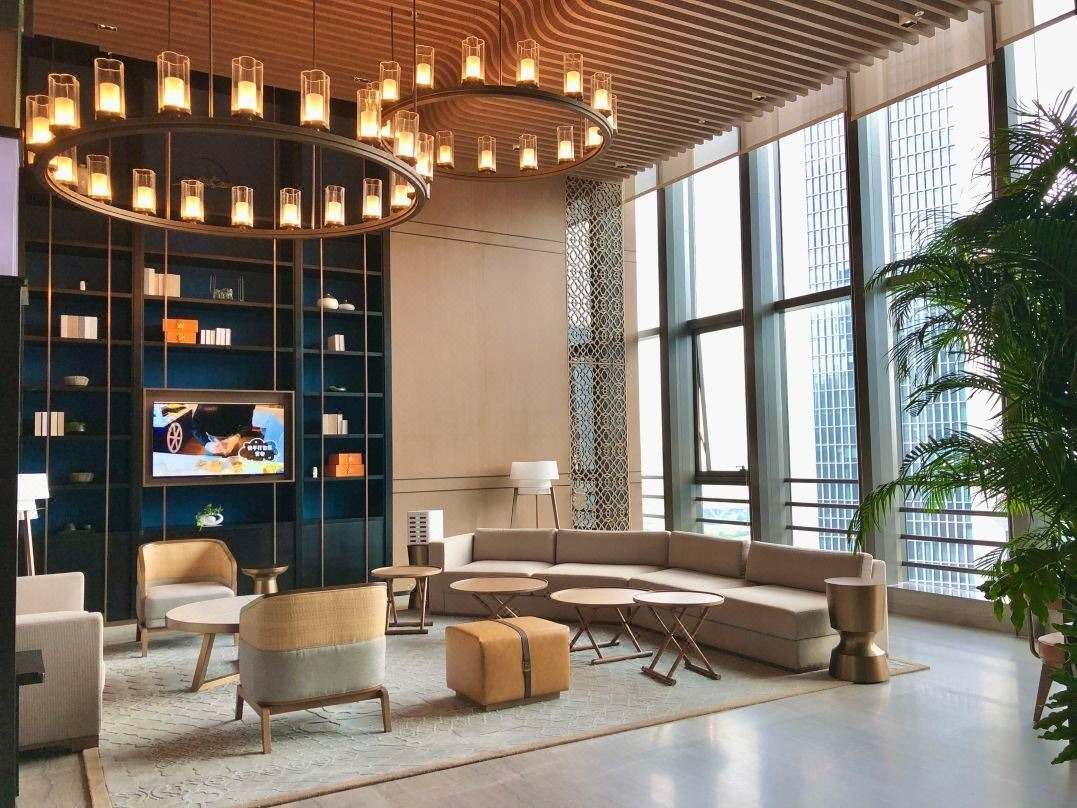
Hotel lobby serves as the establishment’s public face, setting the tone for the entire guest experience. The furniture within it must not only be aesthetically pleasing and comfortable but also durable enough to withstand the rigors of high-frequency daily use. Selecting the right custom-made lobby furniture is no simple task—especially when balancing spatial layout, design style, and budget. In this article, Fuliilai provides insights to help you better understand the design and interior fit-out of hotel lobby spaces.
When designing a hotel lobby, it is essential to adopt the guest’s perspective and consider how they might utilize the space. Guests may need to check in quickly, wait for their rooms to be ready, meet with colleagues, or simply rest after a long journey. Custom-designed furniture should address these diverse needs while ensuring the space remains uncluttered and spacious.
The reception area is typically the first point of contact for guests upon arrival. The design of the counter should not only align with the hotel’s overall interior style but also provide ample space for staff to accommodate computers, documents, and other necessary items for daily operations.
The dimensions and placement of the counter are just as important as its aesthetic design. A counter that is too large can make a compact lobby feel cramped, while insufficient workspace can hinder the efficiency of the check-in process. Planning should account for counter height, cable management, storage, and the circulation space required for guests as they approach the desk. For projects with unique layouts or specific design requirements, custom-made reception desks often provide the best fit.
Sofas, armchairs, and various types of lounge seating offer guests a place to wait, converse, or rest after the fatigue of travel. The arrangement of seating should be tailored to the intended function of the space: modular or grouped seating can encourage interaction, while individual chairs offer more privacy for guests who prefer a quieter environment.
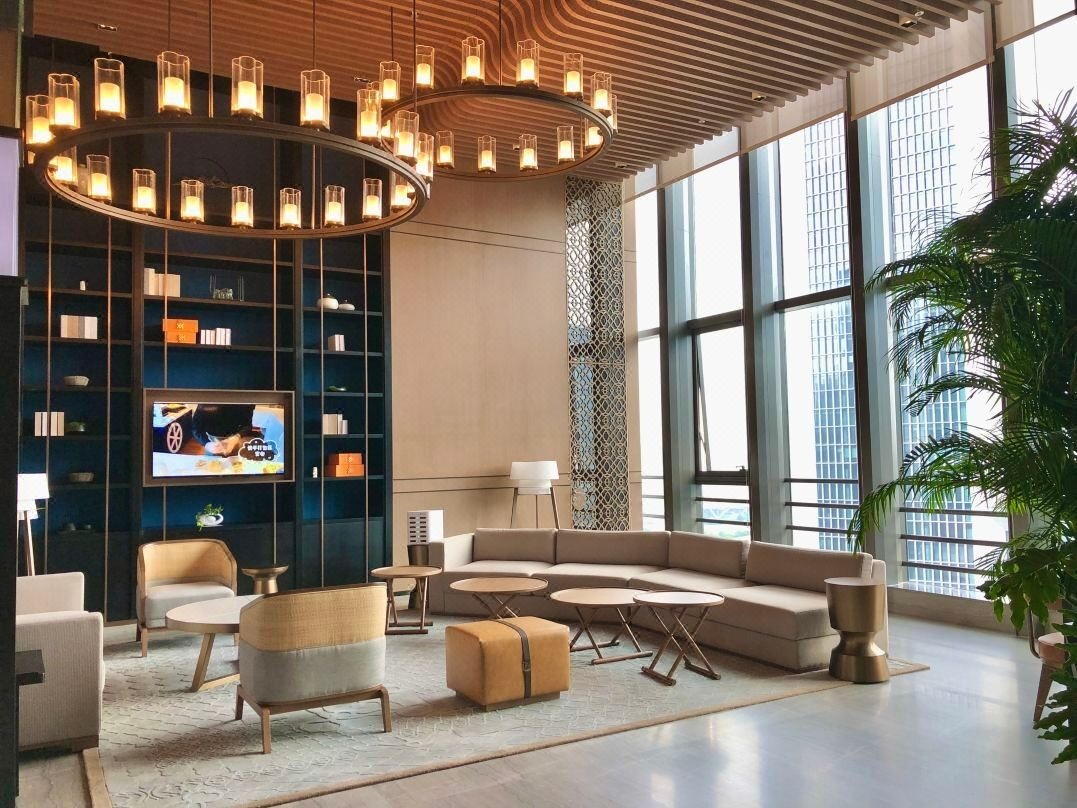
Comfort, upholstery materials, and the spacing between seats are all critical factors. The chosen furniture should be durable enough for its expected frequency of use while also being easy to maintain. Furthermore, sufficient circulation space must be provided so that guests with luggage can move between seating areas without disturbing others.
Coffee tables and side tables provide surfaces for guests to place drinks, personal belongings, or reading materials. Decorative cabinets, meanwhile, enhance the visual appeal of the space while offering discreet storage. The selected furniture should harmonize with the core pieces in the lobby in terms of height, proportion, and finish. Tables and side tables should be positioned for easy guest access without obstructing circulation paths; furthermore, the opening of cabinet doors should not interfere with nearby seating areas.
Guests may arrive before check-in, wait for transportation, or require space to organize their belongings. Depending on the hotel’s service model, the lobby may also need to accommodate luggage carts, temporary luggage storage, or additional seating for peak periods.
Focusing solely on aesthetics can often lead to these practical requirements being overlooked. Ensure that luggage is kept away from main thoroughfares and the queuing area at the reception desk; during peak arrival times, avoid placing extra seating where it might impede guest flow.
Furniture is just one component of a well-functioning lobby. Seating areas should provide convenient access to power outlets, allowing guests to charge laptops or mobile devices. Additionally, the layout must incorporate accessible pathways and account for the storage of cleaning equipment and the execution of daily housekeeping tasks.
Before finalizing the dimensions and placement of furniture, carefully plan for these functional requirements. By coordinating the furniture with power points, lighting, and the architectural layout, you can avoid the need for last-minute adjustments during the installation phase.
If your project requires a comprehensive furniture solution for hotel public areas, we invite you to explore the lobby furniture collection from Fulilai.
Furniture in a hotel lobby should integrate seamlessly into the overall interior environment, rather than appearing as a mere collection of disparate pieces. The color, material, and form of each item must harmonize with the hotel’s overarching design style. For custom hotel furniture projects, all pieces must be coordinated and planned comprehensively before production begins.
Based on the interior design scheme, evaluate how various materials will look and perform under daily use. For instance, wood finishes can create a warm, inviting atmosphere, while metal accents and stone surfaces are better suited to a modern aesthetic. Upholstered furniture adds color and texture; however, beyond visual appeal, one must also consider durability and ease of cleaning and maintenance.
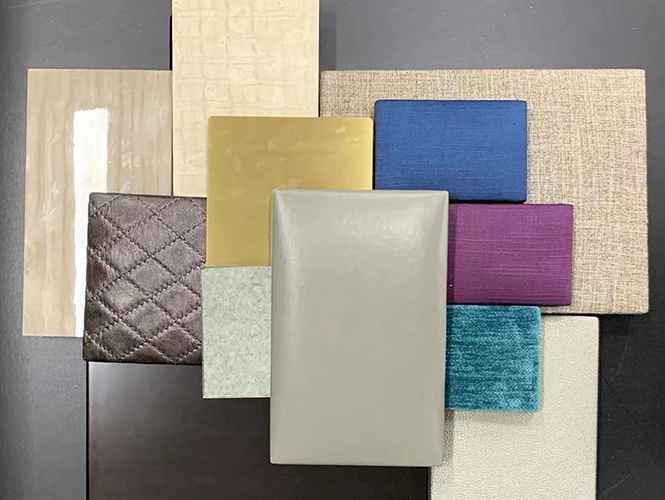
In a high-traffic hotel lobby, overly delicate finishes can place an excessive burden on the cleaning and maintenance staff. While light-colored fabrics can brighten a space, they are also more prone to showing dirt. Before finalizing any choices, discuss these trade-offs with suppliers to select materials and surfaces that minimize long-term maintenance costs. Reviewing material samples—and comparing their color and texture under lighting conditions similar to those of the actual space—helps ensure the final product aligns with the design vision, preventing discrepancies.
Creating a sense of harmony in a lobby does not mean that every piece of furniture must be identical. While reception desks, sofas, coffee tables, and lounge chairs may feature different forms, they should remain cohesive through consistent color palettes, finishes, and proportions.
This is particularly important when a project involves a variety of custom-made furniture. Defining specifications early in the process helps ensure that the entire collection—from wood tones and fabric colors to metal finishes and design details—remains perfectly aligned.
Furthermore, it is wise to consider future expansion. If a hotel plans to undergo extensions or renovations of its public areas, maintaining a detailed record of the materials and finishes already selected will ensure that any future additions remain stylistically consistent with the existing furnishings.
The selection of furniture should fully reflect the needs of the guests. Business hotels may require functional seating suitable for brief meetings, durable upholstered pieces, and accessible power outlets; resort hotels benefit from comfortable, relaxed lounge seating; while high-end urban hotels must strike a balance between comfort, privacy, and efficient space utilization.
Adopt the guest’s perspective: what kind of experience do they expect when stepping into the lobby? This insight informs decisions regarding seating styles, table dimensions, material selection, and furniture layout.
For hotel owners and designers, custom-made lobby furniture allows for the seamless integration of these various requirements. Rather than compromising the overall design to accommodate standardized, off-the-shelf products, furniture can be tailored specifically to the project’s spatial dimensions, finish specifications, and functional needs.
Even beautifully designed furniture can make a lobby feel uncomfortable if placed poorly. Guests should be able to locate the reception desk easily; they should be able to navigate the space smoothly—even when carrying luggage—without being obstructed by crowds of people waiting in line.
Upon entering the hotel, guests should be able to identify the reception area at a glance. While providing space for guests to queue, ensure that the primary pathways leading to elevators, corridors, and other public areas remain clear.
Seating in the waiting area should be conveniently accessible without interfering with operations at the reception desk. Lounge seating can be positioned away from high-traffic zones, offering guests a more relaxed environment for conversation or rest.
Not every space requires strictly defined, separate functional zones for furniture. In smaller lobbies, a carefully curated selection—such as a sofa, a few armchairs, and a small coffee table—can serve multiple purposes without making the space feel cramped.
Before placing an order, cross-reference the dimensions of your selected furniture with the approved floor plans and actual on-site measurements. Elements such as columns, entryways, elevators, structural walls, and power outlets can all impact the installation of furniture.
Pay close attention to the space surrounding reception desks, seating arrangements, doors, and storage units. Furniture should be easily accessible and functional; furthermore, ensure there is sufficient clearance for drawers and cabinet doors to open fully.
|
Lobby area |
Typical furniture |
Main planning considerations |
|
Reception |
Reception desk, storage units |
Staff workflow, counter dimensions, cable access |
|
Waiting area |
Sofas, armchairs, side tables |
Seating capacity, comfort, access to reception |
|
Lounge |
Lounge chairs, sofas, coffee tables |
Privacy, spacing, flexible arrangements |
|
Entrance or feature area |
Accent chairs, decorative cabinets |
Visual impact, luggage space, clear walkways |
Accessibility should be prioritized from the outset. Identify applicable local requirements and ensure that accessible routes and seating aisles are properly planned—rather than attempting to make adjustments after installation.
Guests may occasionally use the seating areas in a hotel lobby to read, work, or charge their electronic devices. When arranging furniture, the placement of lighting fixtures and power outlets should be considered in an integrated manner—a point of particular importance for business hotels or any property where guests are likely to spend extended periods in the lobby.
Furthermore, the ease of cleaning and maintenance must be carefully taken into account. Gaps between furniture that are too narrow can complicate housekeeping tasks, while pieces with delicate finishes often require more diligent care. A well-planned layout should facilitate routine cleaning without compromising the intended aesthetic appearance of the furniture.
Lobby furniture experiences frequent use from guests, visitors, and hotel staff. Appearance alone cannot tell you whether a product will perform well over time. Material selection, construction, and quality control all deserve attention before an order is approved.
Choose upholstery and surface finishes according to expected traffic, cleaning routines, and the overall design. Furniture in a busy entrance may face more frequent contact and cleaning than pieces in a quieter lounge.
Ask suppliers for material specifications and care guidance. Samples can help you assess texture, color, and finish before committing to larger quantities. For custom orders, record approved materials and specifications so production follows the agreed design.
A well-finished surface is important, but construction quality also affects long-term performance. Review frame stability, joints, edge finishing, hardware, and the overall feel of moving parts such as drawers and cabinet doors.
Ask the manufacturer about its inspection process and the standards used for production. Clear answers provide a better basis for comparison than product photos alone, particularly when sourcing furniture for a large hotel project.
Samples and prototypes help uncover issues before they affect an entire order. Review dimensions, materials, colors, upholstery, hardware, and finishing against the approved drawings.
Once the sample is accepted, retain the final specifications and approval records. This gives both sides a reference during production and helps reduce misunderstandings about the finished furniture.
For hotel projects, furniture sourcing involves more than selecting individual products. The supplier needs to understand the design brief, coordinate different furniture types, and manage production requirements within the project schedule.
Look for projects with requirements similar to yours, such as comparable interior styles, public-area furniture, or custom manufacturing needs. Project photos are useful, but ask about the actual scope of work as well. A supplier may have provided only selected pieces rather than a complete furniture package.
Explore Fulilai's hotel furniture cases and the Le Méridien Goa, India project to see examples of hotel project work.
Before confirming an order, discuss each stage with the manufacturer. This may include drawing review, material selection, sample approval, production, quality inspection, packaging, shipping, and installation coordination.
Clear responsibilities help keep the project organized, especially when several furniture categories need to be delivered together. Review Fulilai's service process to learn more about its hotel furniture services.
A detailed brief helps the manufacturer develop a more accurate proposal. Include floor plans, site dimensions, furniture types and quantities, design references, preferred materials, delivery requirements, and target completion dates.
It is also useful to agree on sample approvals, inspection arrangements, packaging requirements, and procedures for handling defects or changes. The clearer these expectations are at the beginning, the easier it becomes to compare quotations and manage production.
When selecting furniture for a hotel lobby, design is only one piece of the puzzle; comfort, durability, and seamless integration with the space are equally vital.
Fulilai Hotel Furniture specializes in custom-made furniture for high-end and "affordable luxury" (light-luxury) hotels. We are dedicated to providing furniture solutions tailored precisely to the requirements of your specific project. We invite you to explore our lobby furniture collection or contact Fulilai directly to discuss the needs of your hotel project.
What furniture is essential for a luxury hotel lobby?
Most hotel lobbies need reception desks, sofas or lounge chairs, coffee or side tables, and suitable waiting areas. Depending on available space and guest needs, projects may also include storage cabinets, accent furniture, and flexible seating.
Which materials work best for hotel lobby furniture?
Material selection depends on the design, expected traffic, and cleaning requirements. Upholstery, wood finishes, metal details, and other surfaces should be assessed for appearance, maintenance, and suitability for daily use.
Can custom hotel lobby furniture match an existing interior design?
Yes. Custom furniture can be developed around approved drawings, dimensions, materials, colors, and finishes. Sharing interior references and reviewing samples before production helps maintain consistency across the lobby.
What should I discuss with a hotel furniture manufacturer before ordering?
Cover design requirements, dimensions, quantities, materials, samples, production timelines, quality inspections, packaging, delivery, and installation responsibilities. Providing a detailed project brief helps the manufacturer prepare a proposal that fits your needs.