



Before mass production of hotel furniture begins, samples should be inspected. Early inspection helps identify issues related to dimensions, materials, construction, and surface finishes, thereby reducing costly rework and lowering delivery risks. For hotel owners, designers, and procurement teams, a clear, early-stage inspection process facilitates more informed purchasing decisions.
Before inspecting samples, gather all the latest approved construction drawings, furniture lists, material specifications, finish references, and hardware details. If the project includes built-in furniture, also prepare the relevant room elevations, on-site measurements, and installation details.
Design renderings illustrate the intended appearance but may not explicitly specify every dimension, construction joint, material thickness, or installation gap. In its guide on "Translating Hotel Furniture Designs into Production Requirements," Fulilai explains the distinction between these two stages. This "design-to-production" guide helps project teams clarify exactly what needs to be verified before approving samples.
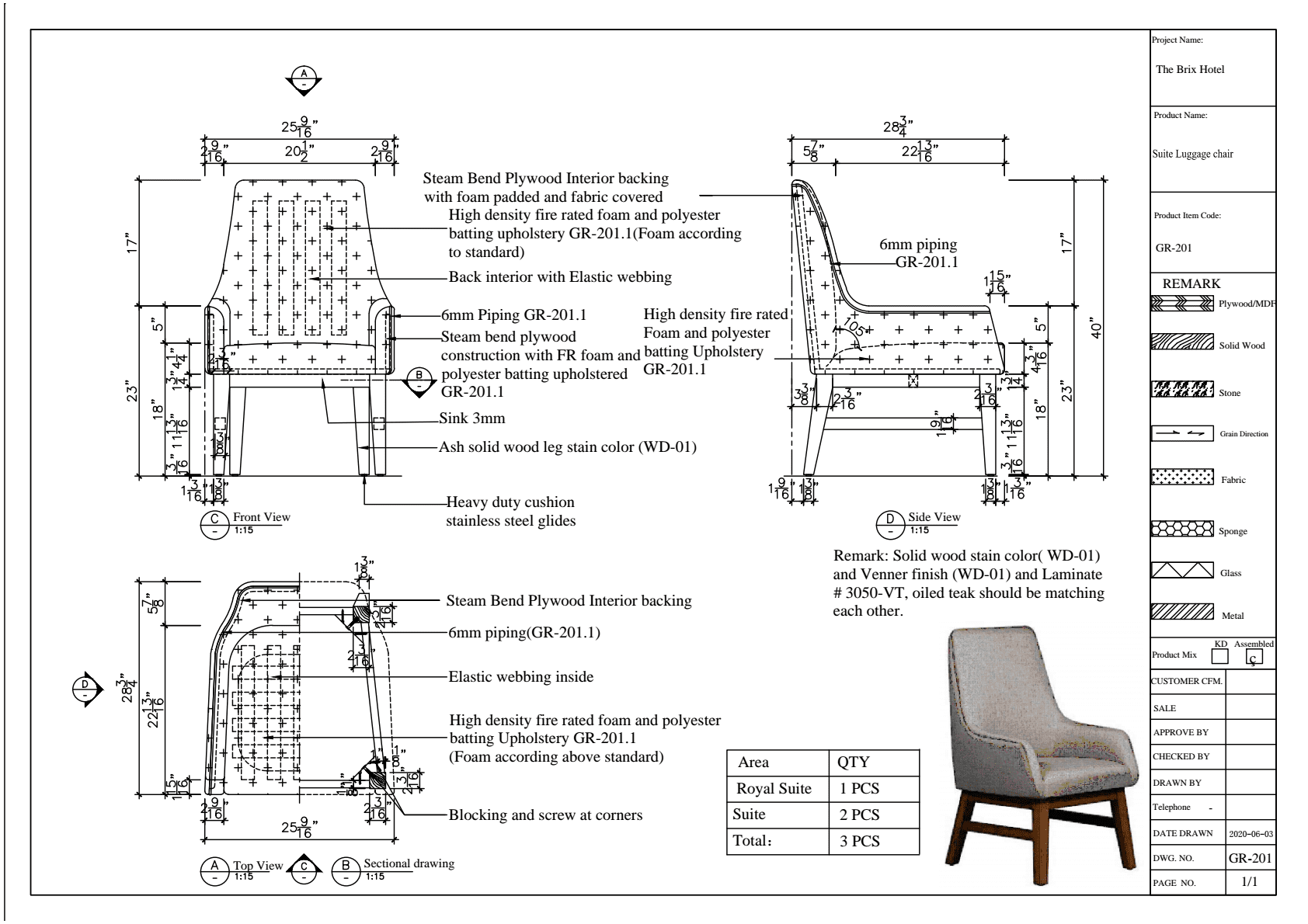
Ensure that any authorized deviations from the original design are clearly noted. If there are discrepancies between the drawings and the bill of materials, resolve them before inspecting any samples; otherwise, the buyer and the manufacturer might end up evaluating the same sample based on different criteria.
Accurate dimensions help prevent installation problems and layout conflicts. Compare every critical measurement with the approved drawings before mass production.
Measure the sample's length, width, and height. Check functional dimensions, including seat height, tabletop height, shelf spacing, and drawer clearance. Compare the results with the approved specifications and agreed tolerances.
Check whether the furniture fits the planned hotel room layout. Confirm clearance around doors, walkways, electrical outlets, and adjacent furniture. For custom furniture, inspect connections with walls, skirting boards, and other built-in units. Make sure doors and drawers can open fully without obstruction.
Record each measurement that falls outside the agreed tolerances. Include the specified dimension, actual measurement, deviation, and required correction. Do not approve unresolved issues that could affect installation, comfort, or furniture alignment.
|
Inspection item |
Key checks |
|
Overall dimensions |
Length, width, and height against approved drawings |
|
Functional dimensions |
Seat height, tabletop height, shelf spacing, and drawer clearance |
|
Installation fit |
Door clearance, walkways, wall connections, and adjacent furniture |
|
Dimensional deviations |
Actual measurements, agreed tolerances, and required corrections |
Accurate measurements and documented deviations help ensure that hotel furniture fits the planned space and meets project requirements. Resolve dimensional issues before approving the sample for mass production. Once dimensions and installation fit are confirmed, proceed to inspect material quality and surface finishes.
The quality of materials and surface finishes directly impacts the durability, appearance, and ongoing maintenance of hotel furniture. A sample may look exquisite, yet fail to meet established technical specifications. Before approving mass production, it is essential to verify that all materials are compliant and that the quality of the surface finishes meets requirements.
Confirm that all materials align with the approved technical specifications. Pay close attention to material types, thicknesses, surface finishes, and structural requirements—specifically regarding wood, engineered boards, metal components, upholstery fabrics, and any other materials designated for the project.
Unauthorized substitution of materials is strictly prohibited. Different materials can alter the strength, appearance, maintenance requirements, and lifespan of the furniture. Any proposed changes to custom hotel furniture must be reviewed and confirmed with the project team prior to production.
Carefully examine all visible surfaces of the furniture under appropriate lighting conditions. Look for issues such as scratches, dents, air bubbles, peeling coatings, uneven coloration, or rough edges. Additionally, inspect edge banding, corners, seams, and joints for any craftsmanship flaws.
Focus particularly on highly visible areas, such as tabletops, cabinet doors, headboards, and exposed edges. These elements define the overall visual impact within a guest room. Any defects that compromise durability or safety, or that fail to meet agreed-upon quality standards, must be rectified before the sample is approved.
Compare the sample against the approved reference standards for materials and finishes. Check for consistency in color, texture, gloss level, and grain (where applicable). View the components assembled together to ensure there are no noticeable visual discrepancies between panels, cabinet doors, frames, and other parts.
For hotel projects involving multiple guest rooms, consistency in surface finishes is critical. Significant variations in color or texture can disrupt the overall aesthetic harmony of the furniture. The approved reference standards for surface finishes should be documented and used as the quality benchmark throughout the mass production process. Inspection Items
|
Inspection item |
Key checks |
Acceptance basis |
|
Material compliance |
Material type, thickness, and specifications |
Approved drawings and material schedule |
|
Surface quality |
Scratches, dents, bubbles, peeling, and rough edges |
Agreed quality standards |
|
Color consistency |
Color, gloss, texture, and grain patterns |
Approved finish samples |
|
Workmanship |
Edge banding, corners, joints, and exposed surfaces |
Approved sample and project requirements |
Before mass production begins, it is essential to verify material compliance and surface quality. Any identified defects must be documented, and any unauthorized material substitutions must be rectified prior to final approval. Approved reference samples of materials and finishes are retained for use during subsequent production inspections. Once material quality has been confirmed, the structural construction and stability of the furniture must also be evaluated. Fulilai’s production process encompasses operations such as veneering, edge banding, finishing, and upholstery—having this background information will prove highly beneficial when discussing specific finishes or technical details.
Structural quality determines how well hotel furniture performs under daily use. Weak joints, unstable frames, and poor assembly can lead to premature damage. Inspect both visible and concealed components before approving the sample.
Check joints, fasteners, screws, and connection points. Components should fit together securely. Look for loose connections, visible gaps, poor alignment, and uneven assembly.
Pay particular attention to bed frames, wardrobes, desks, and large storage units. These items must remain stable during regular hotel use. Compare the assembly with the approved drawings.
Place the furniture on a level surface. Check for wobbling, excessive movement, and unusual noise during normal use. Verify that load-bearing components meet the project's requirements.
Use appropriate test methods for each furniture type. Beds, chairs, desks, and storage units have different structural requirements. Do not rely on visual inspection alone.
Look beneath the furniture, behind panels, inside storage compartments, and around hidden fasteners. Check for unfinished edges, loose fittings, exposed sharp components, or connections that appear weak. A polished exterior should not distract from a problem that could affect service life, maintenance, or user safety.
If a structural issue is found, photograph it, identify the affected part, and request a correction. Reinspect the repaired sample before approval instead of relying on a verbal assurance.
Hardware affects daily usability and maintenance. Check hinges, drawer slides, handles, locks, and other fittings against the approved specifications.
Open and close doors and drawers several times. Check for smooth movement, proper alignment, and reliable closing. Look for sticking, unusual noise, and loose handles.
Confirm that all hardware matches the approved type and finish. Require corrections for faulty components before production approval.
For upholstered hotel furniture, check material compliance, workmanship, and comfort.
Verify project-specific requirements for abrasion resistance, colorfastness, and fire performance where applicable. Resolve material or workmanship issues before approval.
Check whether each item performs its intended function. Wardrobes need accessible storage and reliable doors. Desks need sufficient working space and suitable cable access. Bedside tables need practical storage. Chairs and sofas need stable frames and comfortable seating.
Then assess the furniture within the planned room layout. Confirm adequate clearance around doors, walkways, and adjacent furnishings. Consider cleaning and maintenance needs in guest rooms and public areas.
A sample must meet both its technical specifications and practical use requirements.
A checklist keeps the inspection consistent and makes it easier to explain a rejection or request a correction. Adapt the acceptance basis to the approved documents for the specific project.
|
Category |
Key checks |
Acceptance criteria |
|
Dimensions |
Overall size and functional measurements |
Approved drawings and tolerances |
|
Materials |
Material type, thickness, and specifications |
Approved material schedule |
|
Finishes |
Color, texture, and surface defects |
Approved finish samples |
|
Construction |
Joints, fasteners, and structural stability |
Project quality requirements |
|
Hardware |
Operation, alignment, and installation |
Approved hardware specifications |
|
Upholstery |
Fabric, stitching, padding, and comfort |
Approved upholstery requirements |
|
Functionality |
Storage, movement, and accessibility |
Intended use requirements |
|
Installation |
Clearance and connection points |
Room layout and installation drawings |
Record actual measurements and inspection results. Photograph defects and identify the affected components. Include the required correction and reinspection result.
The checklist should serve as a formal approval record. It also provides a reference for later production inspections.
Identifying defects is only the first step. Each issue needs a clear corrective action and a verified result. Otherwise, the same problems may appear across the full production order.
Document the defect, affected component, relevant specification, and required correction. Include photographs and measurements where appropriate.
Prioritize safety concerns, structural failures, functional problems, and major finish defects. Classify other issues according to the project's agreed quality standards.
Send the defect record to the manufacturer. Specify the required correction and how it will be verified. Inspect the revised sample or corrected components before approval.
If a correction changes materials, dimensions, hardware, or finishes, review the related requirements again. Do not rely on verbal confirmation alone.
Use three possible outcomes:
Document the final decision and obtain confirmation from the relevant stakeholders. Keep the approval record with the drawings and material specifications.
Do not release mass production while critical defects remain unresolved. A documented approval process helps reduce rework, quality disputes, and production delays.
An approved sample establishes the quality benchmark. However, it does not guarantee that every production unit will match. Manufacturers must maintain consistency throughout the order.
Retain a clearly identified approved sample. Record the final dimensions, materials, finishes, hardware, and approved deviations. Keep the related drawings and material references together.
This reference helps production teams follow the same requirements. It also gives inspectors a clear basis for comparing finished products.
Check materials and components before assembly where practical. Inspect finished furniture before packing and shipment. Focus on dimensions, finish consistency, construction, and hardware performance.
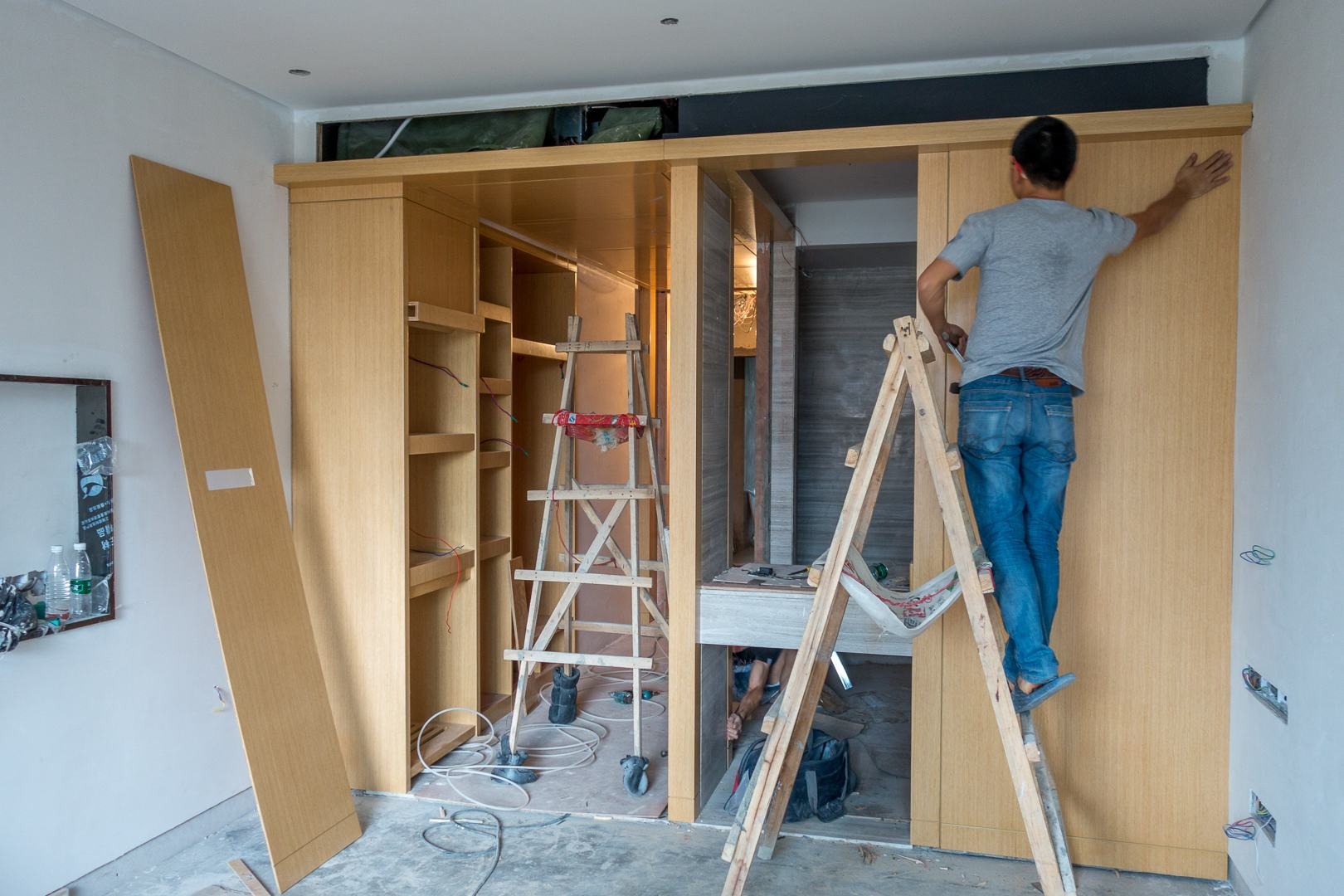
For large hotel projects, inspect representative units from the order. Increase inspection frequency if recurring defects appear. Early checks can help prevent the same problem from affecting multiple rooms.
Require approval before changing materials, dimensions, hardware, or finishes. Review revised samples when necessary. Update the production specifications after any approved change.
Unapproved substitutions can create inconsistent furniture across guest rooms and public areas. They may also affect installation, durability, and maintenance.
Consistent mass production depends on three controls: an approved reference sample, documented specifications, and ongoing quality inspections. Apply these controls throughout manufacturing to help ensure the delivered furniture meets the agreed requirements.
Proper sample inspection helps ensure hotel furniture meets project specifications before mass production. Fulilai Hotel Furniture specializes in customized high-end, light luxury hotel furniture, offering tailored solutions for hotel guest rooms and public areas.Contact Fulilai Hotel Furniture to discuss your requirements and request a customized furniture solution.
1. When should hotel furniture samples be inspected?
Inspect samples before approving mass production. This allows time to correct defects before they affect the full order. Compare each sample with the approved drawings and specifications.
2. What are the most important hotel furniture quality checks?
Focus on dimensions, material compliance, structural stability, surface finishes, and hardware performance. Also check functionality and installation fit. Use the project's approved specifications as the acceptance basis.
3. Can Fulilai customize hotel furniture to match a hotel's design and budget?
Yes. Fulilai provides customized hotel furniture solutions based on project requirements, design concepts, material preferences, and budget considerations. Buyers can discuss room layouts, furniture dimensions, finishes, and functional needs with the team to develop a solution suited to their hotel project.
4. How can buyers ensure consistent furniture quality across a large hotel project?
Confirm materials, finishes, dimensions, and hardware before production. Keep an approved reference sample and require quality inspections during manufacturing. For large projects, clear specifications and communication with the manufacturer help maintain consistency across guest rooms and public areas.