


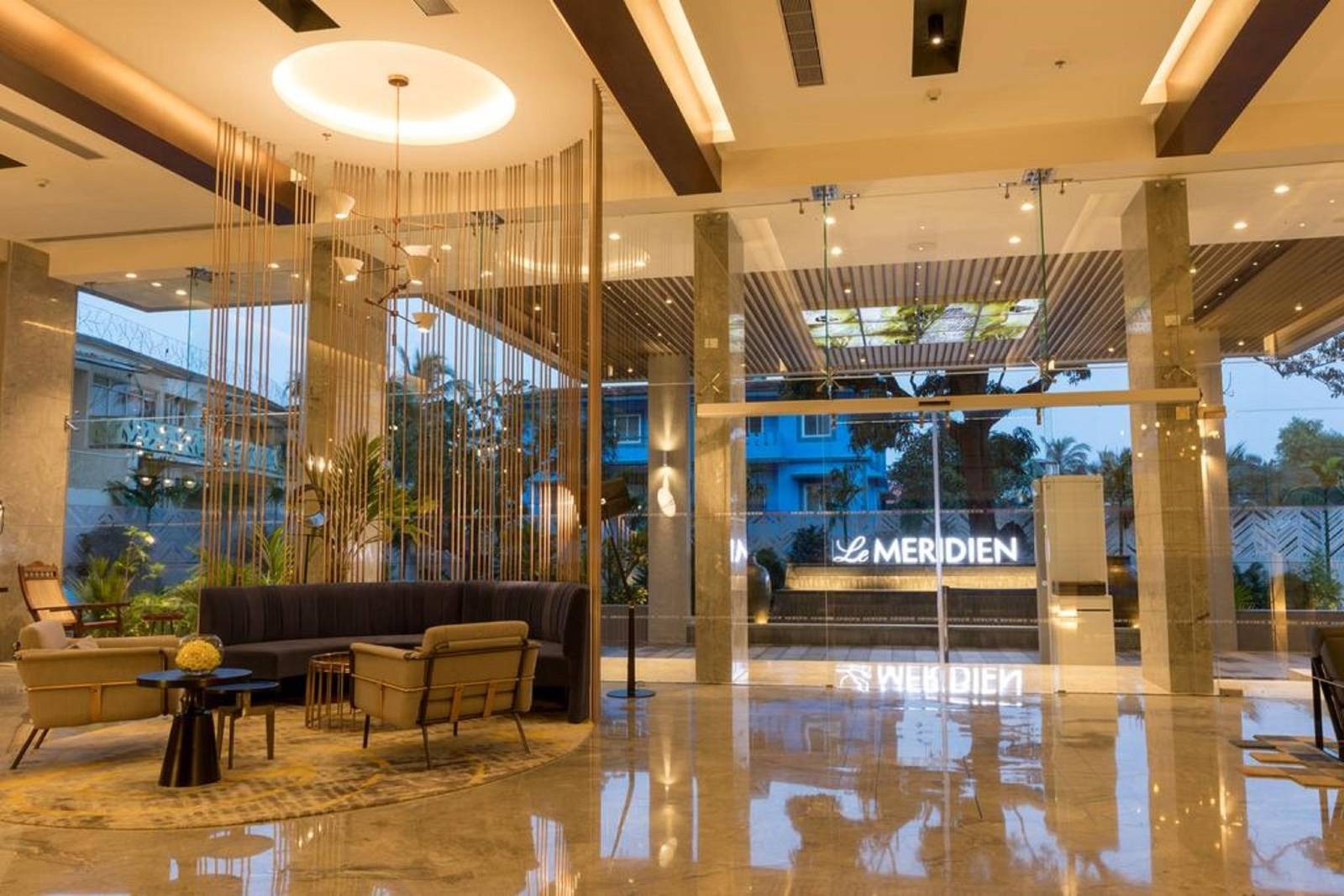
A hotel furniture design shows how the final product should look, but it does not always provide enough information for production. Turning the design into clear manufacturing requirements helps ensure that dimensions, materials, finishes, and construction details are correctly understood before custom hotel furniture production begins.
A rendering or concept drawing mainly communicates the appearance of a furniture piece. A manufacturer needs more detailed information to understand how that piece should actually be produced.
This is particularly important for hotel projects. Furniture often needs to fit specific room layouts, architectural conditions, brand standards, and functional requirements. Standard furniture may not meet these conditions, making customization necessary.
A 3D rendering may show the shape, color, and general material of a bedside table. However, it may not define the exact dimensions, material thickness, construction method, hardware, or installation requirements.
For a custom hotel furniture manufacturer, these details determine how the design can be translated into a manufacturable product.
The purpose of manufacturing requirements is not to change the original design. It is to make the design clear enough to be measured, checked, reproduced, and manufactured consistently.
The most important step is converting visual design information into specifications that the production team can understand.
|
Design Information |
Manufacturing Requirement |
|
Overall appearance |
Exact dimensions and construction |
|
Material appearance |
Material type, specification, and thickness |
|
Color reference |
Approved finish or material sample |
|
Furniture shape |
Detailed production or shop drawings |
|
Hardware appearance |
Hardware specification and installation method |
|
Room layout |
Installation dimensions and clearances |
|
Project concept |
Quantity, schedule, and production requirements |
This translation process is especially important for custom hotel furniture, where each piece may be developed around a specific project rather than taken directly from a standard product range.
Dimensions are one of the first areas that need to be confirmed.
For custom hotel room furniture, overall width, depth, and height are important, but internal dimensions and installation clearances can also affect the final result.
A wardrobe, bedside table, desk, or cabinet may need to fit precisely within a specific room layout. Even a small dimensional change can affect adjacent walls, doors, electrical outlets, lighting, or other furniture.
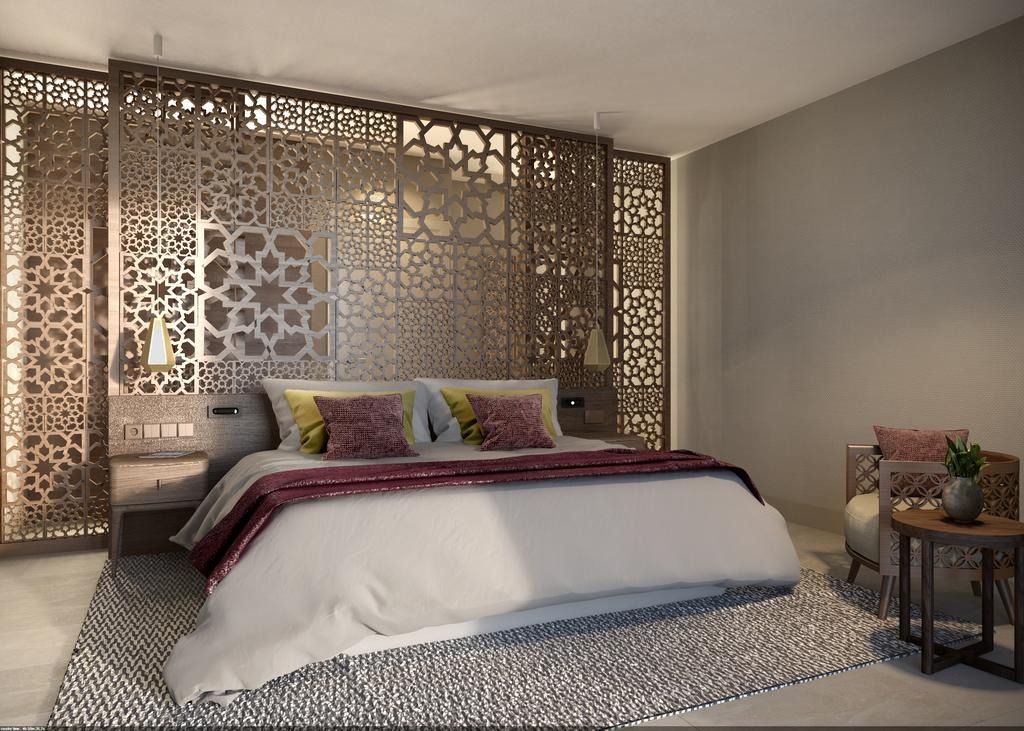
For this reason, dimensions should be treated as manufacturing information rather than simply visual references.
A design may show the appearance of wood, metal, glass, stone, or upholstery, but production requires more specific information.
The manufacturer needs to understand what material is intended, where it will be used, and how different components should be constructed. Similar visual effects can sometimes be achieved with different materials or production methods, so the intended specification should be confirmed before manufacturing.
This is also where the manufacturer's technical experience becomes important. A design needs to remain visually consistent while also being practical to manufacture, assemble, transport, and install.
Finishes should also be clearly defined.
A digital rendering can communicate the general color or texture, but a physical sample, finish reference, or approved material specification provides a more reliable production standard.
For larger hospitality projects, finish consistency is particularly important because furniture may be produced in multiple batches. An approved finish reference gives the production team a clearer standard to follow throughout the project.
One of the most important links between design and manufacturing is the shop drawing.
Fulilai's website highlights its ability to create shop drawings based on drawings provided by designers and hotel owners. This reflects an important part of custom hotel furniture production: turning a design concept into detailed information that can actually be manufactured.
Hotel furniture shop drawings can provide information that is difficult to communicate through a rendering alone.
They can clarify dimensions, construction, material applications, hardware positions, assembly details, and other manufacturing requirements. Instead of asking the production team to interpret a design independently, an approved drawing gives both sides a clearer understanding of what needs to be manufactured.
For buyers, this can also make communication easier during quotation and approval. The more clearly the design is defined, the easier it becomes to identify what is included in the manufacturing scope.
This becomes even more valuable when working with a hotel furniture manufacturer in China.
A hotel designer, contractor, procurement team, and manufacturer may all be working from different locations. Clear drawings reduce the possibility of different teams interpreting the same design differently.
For a China-based manufacturer serving international projects, the ability to connect design information with production requirements can therefore be an important part of project execution.
A prototype provides an important opportunity to confirm whether the design has been translated correctly before mass production begins.
The prototype should be evaluated against the approved design and manufacturing requirements.
|
Item |
What to Confirm |
|
Dimensions |
Overall size, proportions, and installation fit |
|
Materials |
Material type, thickness, and application |
|
Finish |
Color, texture, surface treatment, and consistency |
|
Construction |
Joints, structure, assembly, and stability |
|
Hardware |
Type, position, function, and finish |
|
Appearance |
Overall match with the approved design |
|
Function |
Usability and practical requirements |
The purpose is not simply to determine whether the prototype looks attractive. It should confirm that the product meets the actual requirements of the hotel project.
Once the prototype is approved, it becomes a useful reference for mass production.
For projects involving large quantities of custom hotel furniture, this helps the manufacturer reproduce the approved specifications more consistently across different furniture pieces and production batches.
It also reduces the risk of discovering major design or manufacturing issues after production has already started.
Many problems in custom hotel furniture projects begin before manufacturing.
When dimensions, materials, finishes, and construction details are clearly defined, the manufacturer has less need to make assumptions.
This can reduce unnecessary revisions between designers, buyers, contractors, and the factory. It also creates a clearer approval process before production begins.
A manufacturer can evaluate a project more accurately when the scope of customization is clear.
Material selection, dimensions, construction complexity, hardware, and quantity can all affect manufacturing requirements and the final quotation.
For buyers searching for custom hotel furniture China, providing clear project information can therefore make early communication with manufacturers more productive.
Large hotel projects may require furniture for hundreds of rooms as well as public areas, restaurants, bars, and other spaces.
A clear production reference helps maintain consistency throughout the project, particularly when furniture is manufactured in multiple batches.
This is especially relevant for projects requiring both hotel room furniture and hotel public area furniture, where different furniture categories still need to maintain a consistent overall design language.
Choosing a custom hotel furniture manufacturer in China should involve more than comparing product prices.
The manufacturer needs to understand the design, identify production requirements, develop shop drawings where necessary, coordinate prototypes, and maintain approved specifications during manufacturing.
A strong project process connects:
Design Concept → Manufacturing Requirements → Shop Drawings → Prototype → Approval → Production
Each stage has a different purpose. The design establishes the visual direction, manufacturing requirements define what needs to be produced, shop drawings provide technical details, and prototype approval confirms the final interpretation before mass production.
For international hotel projects, this approach can also make communication easier between designers, procurement teams, contractors, and the manufacturing team.
Fulilai focuses on custom hotel furniture and related FF&E solutions for hospitality projects. Its manufacturing services cover furniture for hotel rooms and public areas, while the company also provides design and shop drawing support based on project drawings.
The company's website describes an integrated process covering quotation, furniture designs, manufacturing, transportation, and installation. This type of project-oriented approach allows furniture requirements to be considered as part of the wider hotel project rather than as isolated products.
For buyers looking for custom hotel furniture in China, the ability to connect design requirements with manufacturing execution is an important consideration.
A design does not need to contain every technical detail before the first conversation with a manufacturer.
What matters is providing enough information for the manufacturer to understand the design intent and identify what needs to be clarified.
Existing CAD drawings, 3D renderings, dimensions, material references, finish samples, quantities, and project requirements can all provide a useful starting point.
The manufacturer can then identify missing information and determine which details need to be developed further before production.
For projects involving multiple furniture categories, it is also useful to organize the information by area, such as guest rooms, lobby, restaurant, bar, or other public spaces. This makes it easier to connect individual furniture pieces with their intended application.
Before mass production, the most important specifications should be confirmed, including dimensions, materials, finishes, construction, hardware, and prototype requirements.
A practical project information set can include:
|
Project Stage |
Key Information |
|
Initial inquiry |
Drawings, renderings, furniture list, quantities |
|
Technical review |
Dimensions, materials, construction, hardware |
|
Shop drawing |
Detailed production and installation information |
|
Prototype |
Finish, dimensions, construction, functionality |
|
Final approval |
Approved specifications and reference samples |
|
Mass production |
Production quantities, schedule, QC requirements |
This creates a reliable reference for both the buyer and manufacturer throughout the project.
Turning hotel furniture designs into clear manufacturing requirements helps reduce misunderstandings, revisions, and production risks. By confirming dimensions, materials, finishes, shop drawings, and prototypes before production, hotel projects can move more smoothly from design to final manufacturing. For buyers looking for custom hotel furniture in China, Fulilai provides customized manufacturing solutions based on project designs and specific requirements.
Can a hotel furniture manufacturer work from 3D renderings?
Yes. A 3D rendering provides an important visual reference, but additional information such as dimensions, materials, finishes, construction details, and quantities may be needed before production.
What are hotel furniture shop drawings?
Shop drawings provide detailed manufacturing information for individual furniture pieces. They can clarify dimensions, materials, construction, hardware positions, assembly, and other project-specific requirements.
What information should I provide to a custom hotel furniture manufacturer?
Drawings, dimensions, quantities, material references, finishes, hardware requirements, project location, and delivery expectations can all help a manufacturer understand the project and evaluate the manufacturing requirements.
Can custom hotel furniture be made in non-standard dimensions?
Yes. Custom furniture can be developed around specific hotel room layouts, architectural conditions, design requirements, and functional needs.
Why is prototype approval important?
Prototype approval gives the project team an opportunity to confirm the furniture's dimensions, materials, finishes, construction, hardware, functionality, and appearance before mass production.
How do I choose a custom hotel furniture manufacturer in China?
Look beyond price. Consider the manufacturer's customization capability, ability to understand drawings, shop drawing support, prototype process, production capabilities, quality control, and ability to manage international hotel projects.