


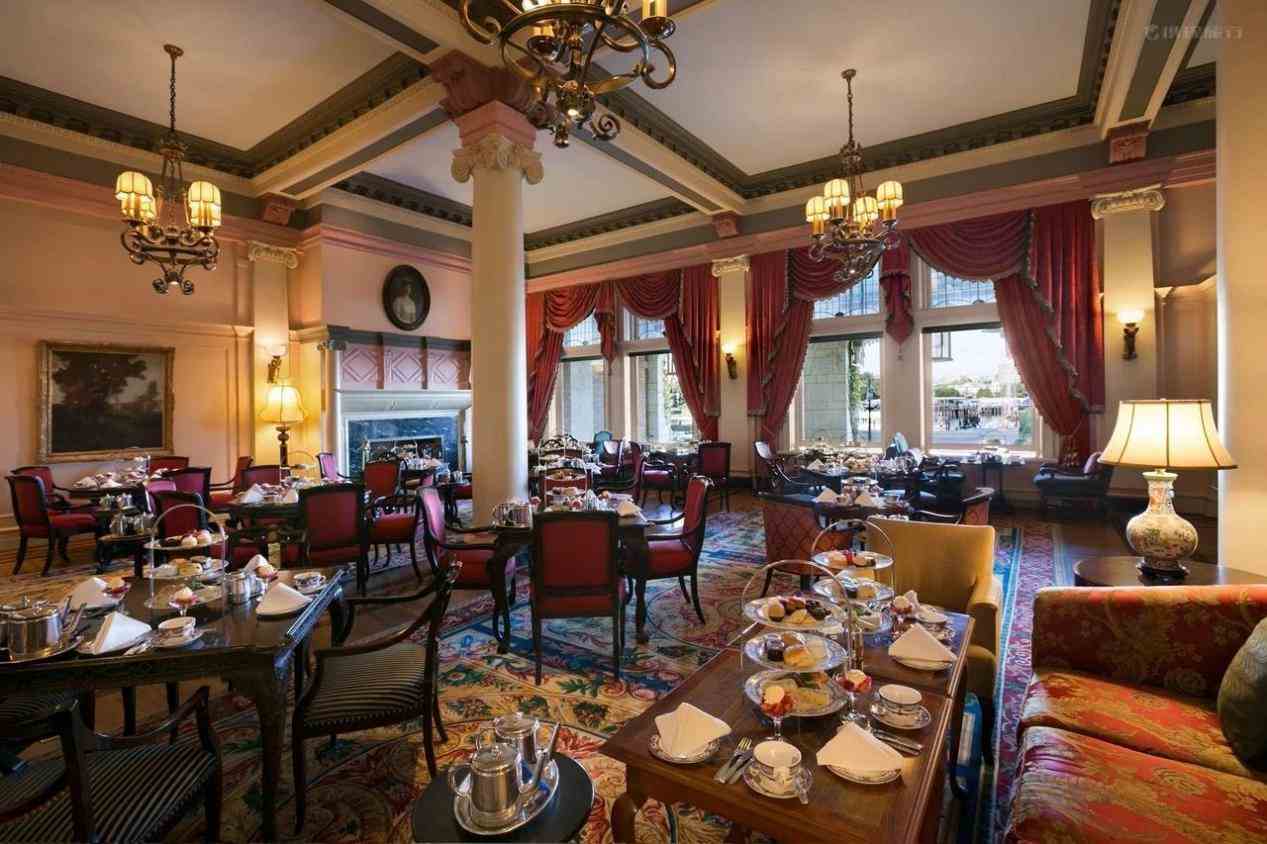
Most hotel projects use two different types of furniture. One type is fixed to the building. The other type can be moved. Many buyers treat them the same way and later face delays, mismatched finishes, or extra costs on site. Understanding the real difference between fixed furniture and loose furniture helps you plan better and choose a more suitable hotel furniture manufacturer.
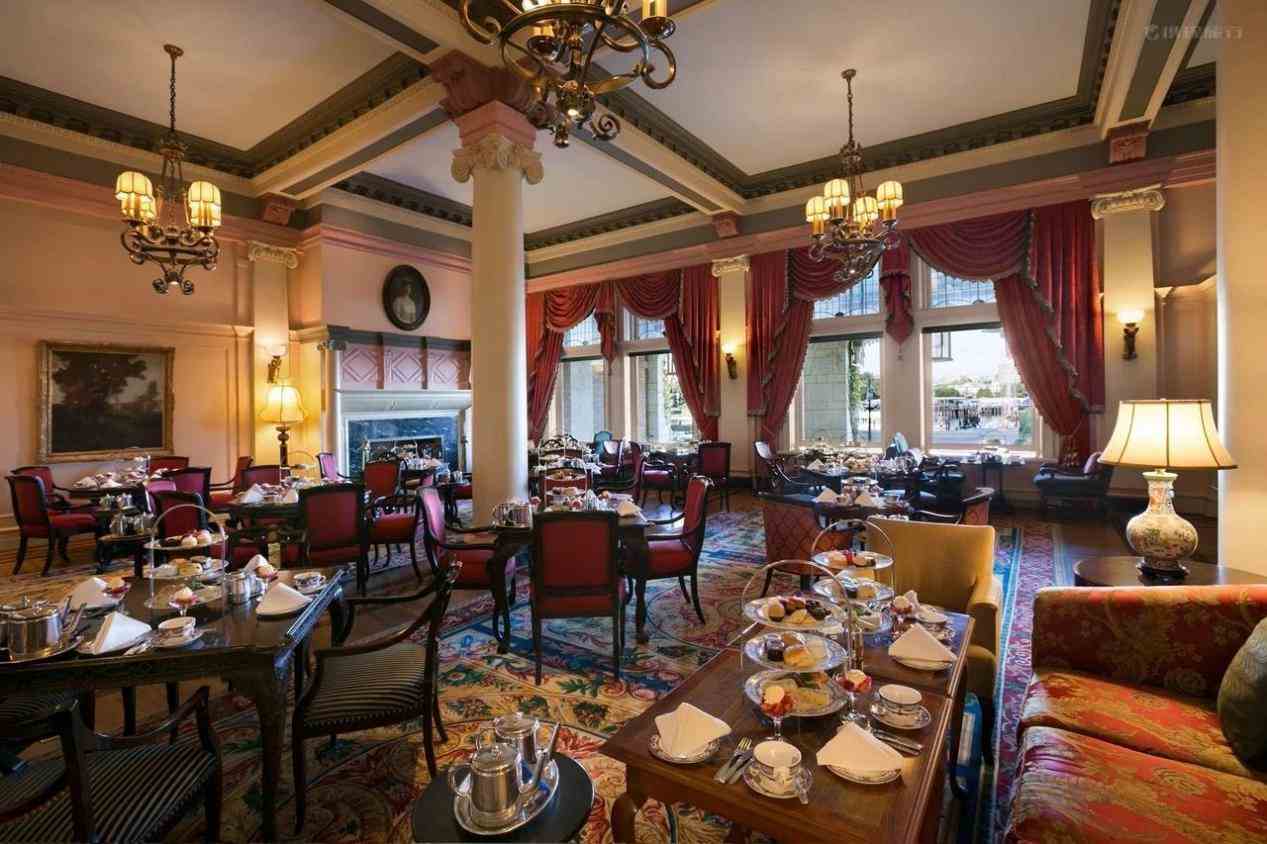
Fixed furniture becomes part of the building once it is installed. It is usually attached to walls, floors, or ceilings and is not meant to be moved later.
Typical fixed pieces include wardrobes, headboards, feature walls, bathroom vanities, built-in desks, wall panels, door frames, and window frames. These items must follow the architectural drawings closely. Even small measurement errors can create problems during installation.
Because fixed furniture is tied to the construction schedule, it often needs earlier decisions, more precise shop drawings, and closer coordination with other trades on site.
Loose furniture refers to pieces that stand on their own. They are not permanently fixed to the building and can be repositioned or replaced more easily.
Common examples are beds, sofas, armchairs, dining chairs, tables, coffee tables, lounge chairs, and movable desks. These pieces still need to meet hotel durability standards, but they generally allow more flexibility in production and installation timing.
The differences become clear when you look at real project conditions.
|
Aspect |
Fixed Furniture |
Loose Furniture |
|
Installation method |
Permanently fixed to the building |
Freestanding and movable |
|
Dependence on site progress |
High |
Lower |
|
Measurement accuracy needed |
Very high |
Important but more flexible |
|
Impact on project schedule |
Strong |
Moderate |
|
Difficulty of later changes |
High |
Lower |
|
Factory skill required |
Strong custom and coordination ability |
Good quality and durability control |
Fixed furniture carries higher risk. Mistakes are usually more expensive and time-consuming to correct. Loose furniture offers more room for adjustment, but it still needs consistent quality across large quantities.
One frequent problem is giving fixed and loose furniture the same timeline. Fixed pieces usually need earlier drawings, sampling, and site coordination.
Another common issue is ordering the two categories from completely different factories without proper communication. This often leads to color differences, size mismatches, or inconsistent design details.
Some buyers also underestimate the importance of site measurements for fixed furniture. Others focus too much on unit price and overlook the total cost of coordination, delays, and rework. These mistakes are easy to avoid when the differences between the two categories are clear from the start.
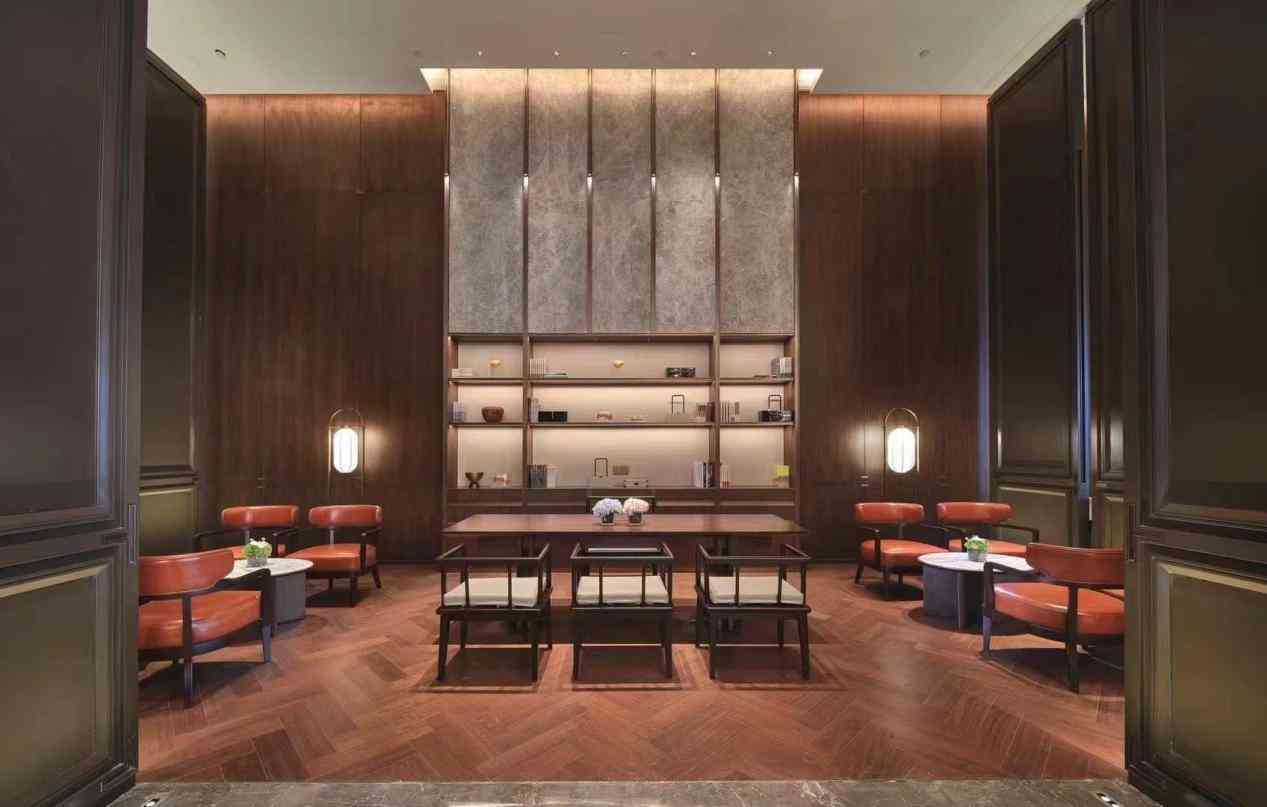
When both fixed and loose furniture come from the same manufacturer, the design language stays more consistent across rooms and public areas. Materials, colors, and finishes are easier to match. Dimensions can be coordinated early instead of being adjusted later on site.
Communication also becomes simpler. One project team handles drawings, sampling, production, and delivery schedules. This reduces the chance of information getting lost between different suppliers. For many mid-to-large hotel projects, this approach lowers overall risk even if the initial quotation is not the lowest.
Factories that only specialize in one category may still do good work. However, projects that need both fixed and loose furniture often run more smoothly when the manufacturer already has experience delivering complete packages. This is the approach Fulilai uses for international hotel projects in Shunde, Foshan. You can learn more in our hotel furniture solutions.
If your project includes both types of furniture, look beyond product photos. Ask whether the factory has completed full hotel packages before. Check if they can produce detailed shop drawings for fixed items and if they have a clear process for site measurement and installation support.
Quality control should cover both custom fixed pieces and standard loose items. Communication matters as well. A dedicated project contact usually helps keep drawings, samples, and production timelines under control. More details about evaluation criteria can be found in how to choose a hotel furniture manufacturer.
Start by separating the planning of fixed and loose furniture early. Allow extra time for fixed furniture drawings and sampling. Decide as early as possible whether you prefer one factory or multiple suppliers. Always require written sample approval before bulk production begins. Clarify who will handle installation and after-sales support so responsibilities are clear.
These steps do not eliminate every risk, but they significantly reduce the most common sources of delay and rework.
Fixed furniture needs higher precision and stronger site coordination. Loose furniture offers more flexibility but still requires commercial quality. Projects that need both often run better with one experienced manufacturer.
Fulilai produces both fixed and loose furniture for international hotel projects in Shunde, Foshan. Send your drawings or requirements for a practical review via contact us.
What is the main difference between fixed and loose furniture?
Fixed furniture is permanently installed as part of the building. Loose furniture is movable and freestanding.
Which type usually needs more time?
Fixed furniture usually needs more time for drawings, sampling, and site coordination.
Can one factory produce both fixed and loose furniture?
Yes. Some manufacturers specialize in complete hotel packages and handle both categories. This often improves consistency across the project.
Why do coordination problems happen between different suppliers?
Different factories may use slightly different materials, finishes, or measurement standards. Without close communication, small differences become visible on site.
What information should I prepare before contacting a factory?
Drawings, approximate quantities, material preferences, and the overall project timeline help the factory give a more accurate assessment.