


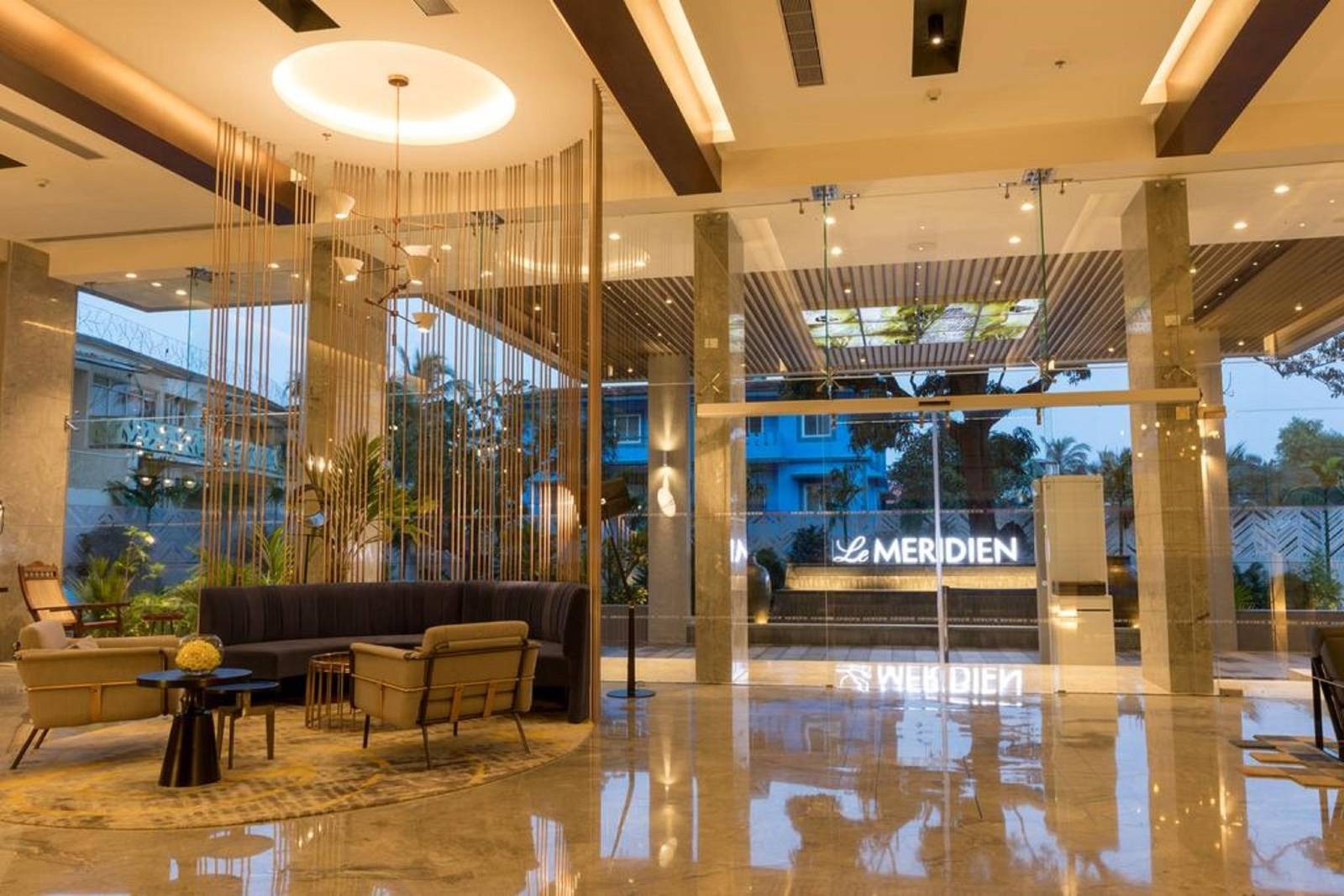
Furnishing a 5-star hotel under a global brand such as Marriott requires furniture that meets strict technical standards. It must also support cultural storytelling and perform under heavy commercial use. Procurement teams searching for “custom hotel furniture for 5-star hotels” or “Marriott-style FF&E solutions” need partners who deliver both compliance and design differentiation.
Marriott International and its portfolio brands maintain detailed design and quality manuals. These manuals govern material performance, safety, and visual consistency. The requirements form part of the contractual obligations for any hotel flying the brand flag.
Furniture must meet commercial-grade durability standards. It must also meet fire-retardancy regulations and load-bearing tests for high-traffic environments. Hardware, finishes, and construction methods are tightly controlled. Residential-grade pieces almost never pass inspection. Suppliers must provide documentation, test reports, and samples before mass production begins.
Dimensions, finishes, and detailing must stay uniform across hundreds of guest rooms, suites, and public areas. Small variations in veneer matching, upholstery colour, or edge profiles can trigger rejection. Manufacturers work from precise drawings, approved samples, and production control plans. This approach minimises deviation.
Furniture must support the brand’s promise of comfort and discovery. Signature beds, work desks that handle modern technology, inviting seating, and practical storage all shape the guest impression.
The following table summarises the most common requirements on Marriott-affiliated projects:
|
Requirement Category |
Typical Expectations |
Why It Matters |
|
Durability |
Commercial-grade materials, reinforced frames, high-abrasion finishes |
Withstands daily housekeeping and heavy guest use |
|
Fire & Safety Standards |
Flame-retardant fabrics, compliant foams, certified hardware |
Meets local and international building codes |
|
Custom Dimensions & Details |
Exact drawings, unique headboard shapes, integrated power |
Aligns with brand design manuals and local architecture |
|
Finish Consistency |
Matched veneers, controlled colour tolerances |
Ensures visual uniformity across all rooms |
|
Sustainability & Traceability |
Responsible wood sources, low-VOC finishes |
Increasingly required by owners and brand guidelines |
|
Logistics & Packaging |
Export-ready crating, clear labelling, installation guides |
Supports on-time delivery and efficient site work |
Meeting every line in this table requires a manufacturer with engineering skill and proven project experience.
Modern 5-star guests expect more than generic luxury. Many Marriott-style properties incorporate local cultural references. This makes the interior feel rooted in its destination. Furniture must absorb weave patterns, specialised metalwork, custom proportions, or art-inspired details. At the same time it must keep full commercial performance.
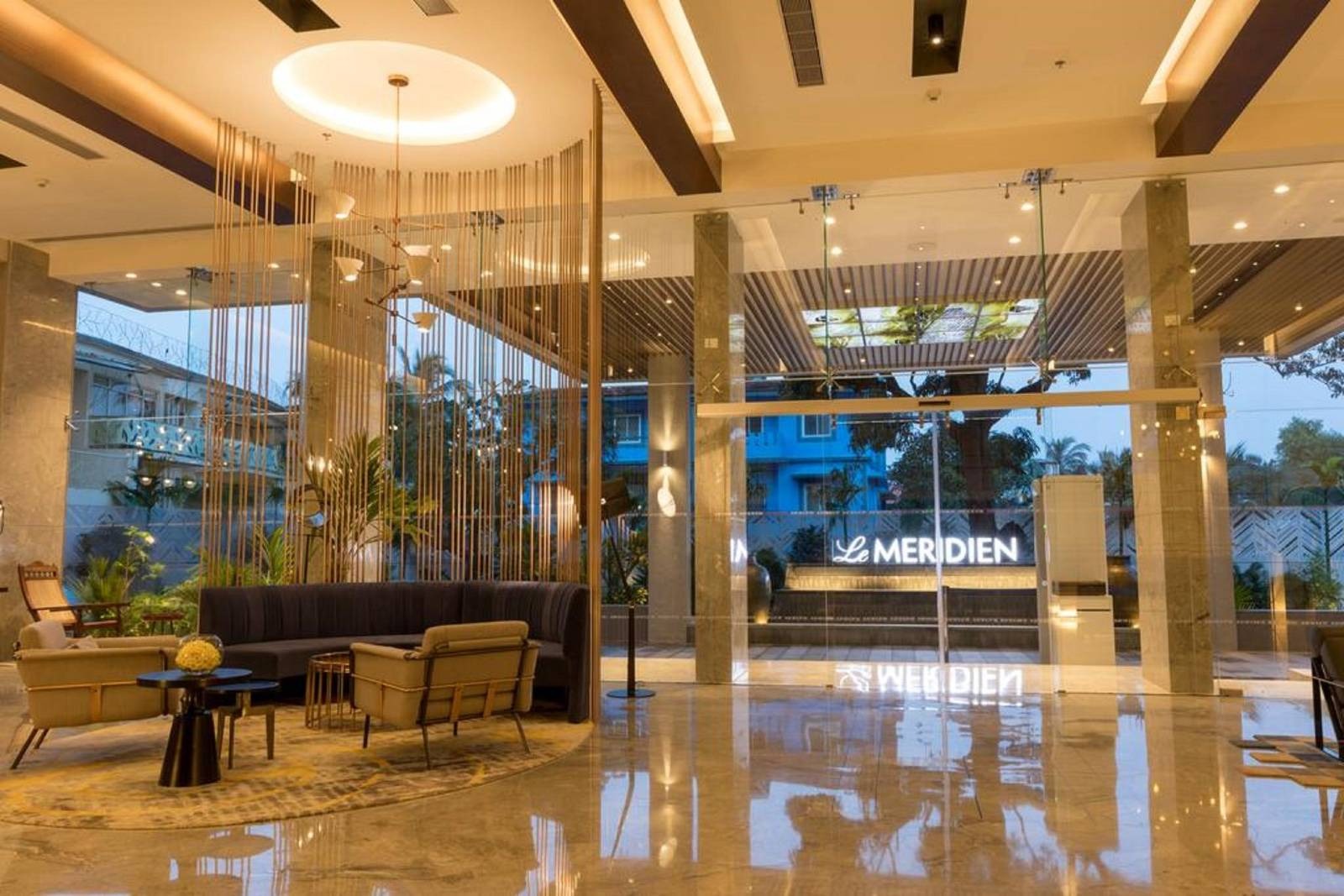
One clear example is the furniture package for Le Méridien Goa. In our custom furniture project for Le Méridien Goa, every guest-room and public-area piece was purpose-designed. The pieces support the hotel’s contemporary take on Kunbi tribal weaves and Portuguese-influenced details. Headboards, desks, seating, and lobby elements met brand standards. They also reinforced the property’s cultural narrative. This shows how thoughtful customisation improves both compliance and guest experience.
Designers often present abstract patterns, traditional colours, or historic references. The manufacturer must turn those ideas into pieces that can be produced at scale. The pieces must also clean easily and stay refined after years of service. The process usually needs multiple sample rounds, material testing, and close work with the design team. A factory must understand both the artistic goal and the commercial limits of 5-star operations.
Most 5-star developments and major renovations prefer a single-source partner. That partner supplies coordinated FF&E for guest rooms, suites, lobbies, restaurants, meeting spaces, and outdoor areas. Consistency in materials, finishes, and construction quality is essential. Different suppliers for different zones often create mismatches in colour, texture, or detailing.
A full-package approach simplifies project management. One factory controls the production schedule, quality checks, and shipping. For international projects this coordination is valuable. Lead times, customs documents, and installation timing must match the overall construction plan.
The Le Méridien Goa assignment needed exactly this scope. It covered custom furniture for the 146 guest rooms and all public areas. Readers can review the complete case study of the Le Méridien Goa furniture project for the specific solutions.
Le Méridien Goa sits in the Calangute-Candolim belt. It opened with a clear design brief. The brief mixed contemporary luxury with local cultural storytelling. The interiors reference the Kunbi tribe—Goa’s early settlers—through weave patterns, selected colours, and chosen artefacts. They also note the region’s Portuguese heritage.
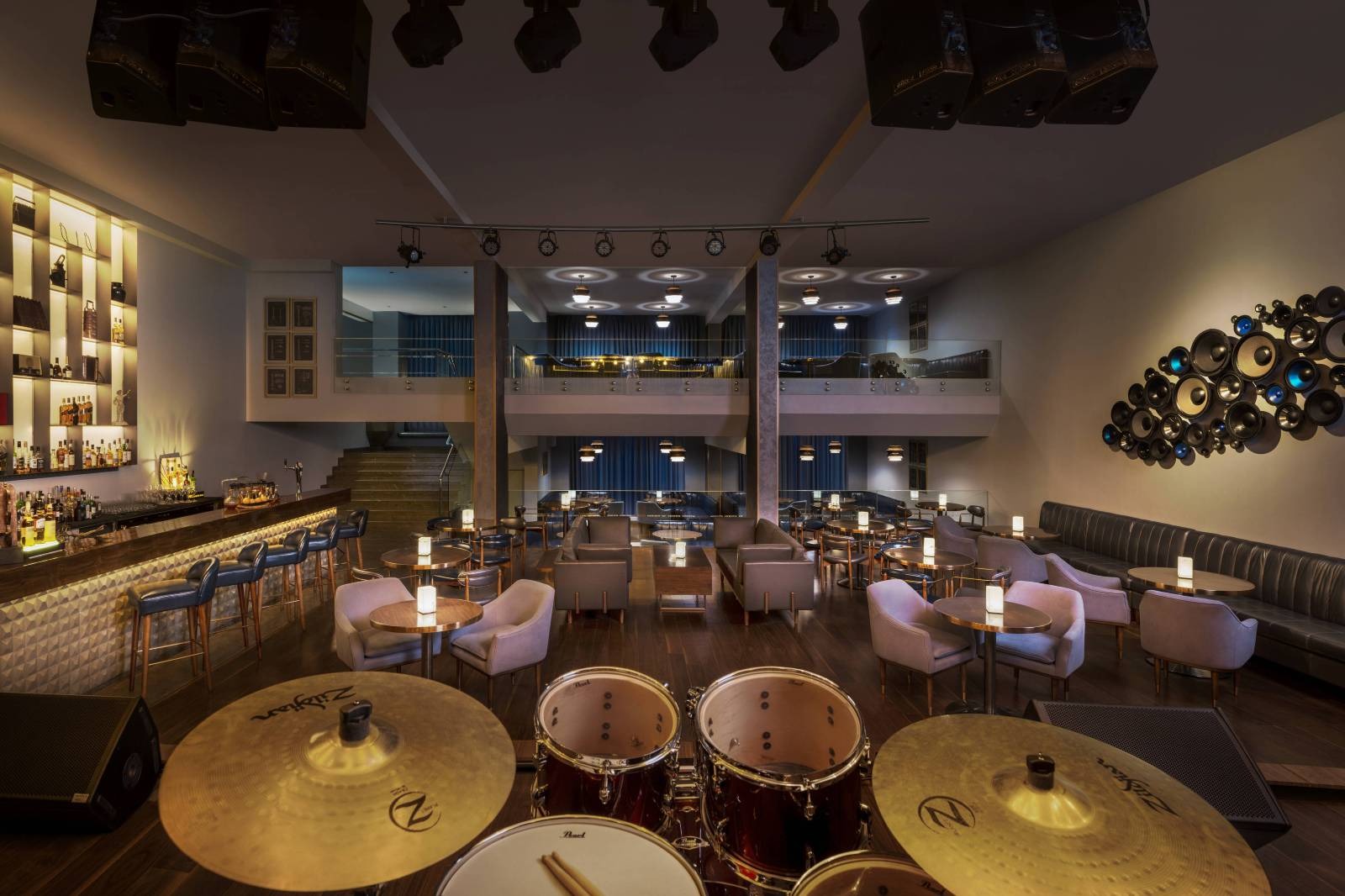
Furniture had to meet Le Méridien brand guidelines. It also had to express these cultural layers. The solution used custom headboards with pattern-inspired details, wood-and-metal casegoods, tailored seating for the lobby Hub and poolside areas, and coordinated pieces for restaurants and meeting spaces. Every item was made to commercial specifications and installed as one coherent package.
This project offers practical lessons for owners and designers:
Full details of the furniture scope, design approach, and outcome appear in the Le Méridien Goa custom furniture case study.
Selecting the right partner is one of the highest-leverage decisions on a 5-star project. The table below shows key evaluation criteria used by experienced procurement teams:
|
Evaluation Criterion |
Questions to Ask |
Ideal Response |
|
Brand Project Experience |
Have you completed Marriott, Hilton, or IHG projects? |
Documented references and photos of completed work |
|
Design Collaboration Capability |
Can you work from designer drawings and produce samples? |
Dedicated design engineering team and sample workshop |
|
Quality Systems |
What inspection stages exist during production? |
Multi-stage QC with material and finished-goods checks |
|
Capacity & Lead Times |
What is realistic production capacity for 150+ rooms? |
Transparent schedule with buffer for approvals |
|
Logistics & Installation Support |
Do you handle export packing and site coordination? |
Proven international shipping and installation experience |
|
After-Sales Service |
How are warranty issues and spare parts managed? |
Clear warranty terms and responsive support |
Manufacturers who answer these questions with clear evidence reduce project risk. One strong example is the work shown in the Le Méridien Goa case study.
Custom programmes cost more per unit than catalogue items. The long-term return is still measurable. Furniture built for commercial use lasts longer and keeps its appearance better. It also reduces replacement frequency. Pieces that support a property’s unique story improve guest satisfaction scores and online reviews. Brand compliance avoids costly redesigns or delayed openings. Owners who look at total cost of ownership over a seven- to fifteen-year cycle usually find the premium for proper custom work justified.
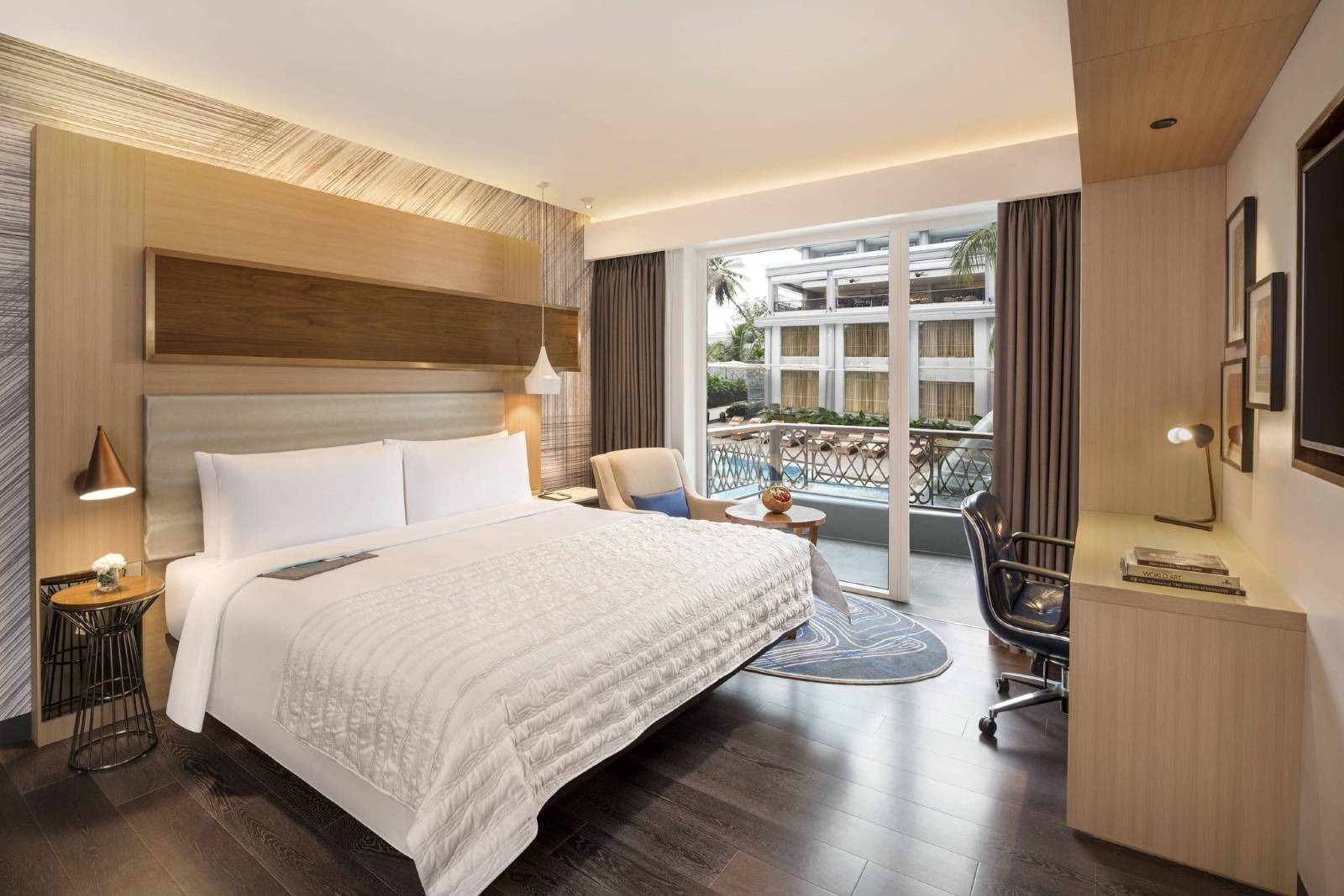
Foshan Fulilai Hotel Furniture specialises in custom FF&E for 5-star and Marriott-style properties. We meet strict brand standards while delivering cultural detail and complete room-plus-public-area packages. Contact us today to discuss your project, request samples, or receive a quotation. See the quality we deliver in our Le Méridien Goa case study and let us help you create interiors that satisfy both brand rules and your vision.
Q: What does custom hotel furniture for Marriott-style projects typically cost?
A: Costs vary by scope, materials, and customisation level. Luxury packages often sit in the higher mid-scale to premium per-key range when full coordination is needed. Detailed quotes follow approved drawings and material specs.
Q: How long does production and delivery usually take?
A: Typical lead times run 12–20 weeks after final sample approval. Time depends on order volume, complexity, and shipping destination. Early engagement helps match production to the construction schedule.
Q: Can cultural design elements be incorporated while still meeting Marriott brand standards?
A: Yes. Experienced manufacturers turn local motifs—such as weave patterns or regional colours—into commercial-grade furniture that meets brand manuals. The Le Méridien Goa project shows this balance.
Q: Do you supply complete FF&E packages or only guest-room furniture?
A: Full packages covering guest rooms, suites, lobbies, restaurants, and meeting spaces are preferred. They deliver consistency and simpler project management. Coordinated production cuts the risk of finish mismatches.
Q: What documentation is provided for brand reviews and quality control?
A: Suppliers provide material certificates, fire-test reports, sample approvals, production inspection records, and packing lists. This documentation supports brand audits and on-site installation.
Q: How important is prior experience with Marriott or similar brands?
A: Prior experience reduces risk. Manufacturers familiar with brand reviews can anticipate requirements, speed approvals, and avoid redesigns. Documented projects such as the Le Méridien Goa case study offer clear proof of capability.